

Lopinavir dosages: 250 mg
Lopinavir packs: 60 pills, 120 pills, 180 pills, 240 pills, 300 pills, 360 pills
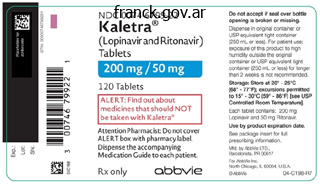
Buy cheap lopinavir 250 mg online
Expanded standards for liver transplantation in patients with hepatocellular carcinoma: a report from the International Registry of Hepatic Tumors in Liver Transplantation. A follow-up evaluation of the pattern and predictors of dropout from the waiting record for liver transplantation in patients with hepatocellular carcinoma: Implications for the present organ allocation coverage. Hepatocellular carcinoma sufferers are advantaged in the present liver transplant allocation system. Excellent posttransplant survival for sufferers with nonalcoholic steatohepatitis in the United States. Waiting time predicts survival after liver transplantation for hepatocellular carcinoma: a cohort research using the United Network for Organ Sharing registry. The stomach cavity is bounded by the ribs and diaphragm above, and by the pelvis beneath, with the spine and stomach muscular tissues forming the again, facet, and front partitions. In the decrease stomach, enclosed by the pelvis, are the bladder, rectum, and, in women, the uterus and ovaries. Other causes embody appendicitis, belly harm, perforation of an inside organ because of problems such as peptic ulcer or diverticular illness. Acute abdominal pain commonly begins as a vague pain in the centre but then turns into localized. An acute abdomen requires urgent medical investigation which will contain a laparoscopy or a laparotomy. Mild stomach ache is widespread and is commonly as a result of extreme alcohol 4 intake, consuming unwisely, or an assault of diarrhoea. Pain in the decrease stomach is frequent throughout menstruation but is sometimes due to a gynaecological disorder corresponding to endometriosis. Bladder distension as a result of urinary obstruction may also cause abdominal pain. Abdominal colic is ache that happens each couple of minutes as one of the inner organs goes into muscular spasm in an try to overcome an obstruction corresponding to a stone or an area of inflammation. The attacks of colic may turn into more extreme and could also be related to vomiting (see abdomen, acute). Other attainable causes of stomach pain are infection, similar to pyelonephritis, and ischaemia (lack of blood supply), as happens when a volvulus (twisting of the intestine) obstructs blood vessels. Pain as a result of peptic ulcer could be temporarily relieved by meals or by taking antacid medication. Urgent attention can also be needed if ache is accompanied by persistent vomiting, vomiting of blood, or passing of bloodstained or black faeces. Investigation of belly ache might include using imaging checks similar to ultrasound scanning, and endoscopic examination within the form of gastroscopy, colonoscopy, or laparoscopy. Abdominal swelling is a pure results of weight problems and development of the uterus during being pregnant. Wind within the abdomen or gut may trigger uncomfortable, bloating distension of the abdomen. Some women experience belly distension because of short-term water retention simply earlier than menstruation. Diagnosis of the underlying trigger may involve stomach X-rays, ultrasound scanning, laparotomy, or laparoscopy. X-rays can show whether or not any organ is enlarged and may detect swallowed overseas our bodies in the digestive tract. They additionally present patterns of fluid and gas: distended loops of bowel containing fluid usually indicate an obstruction (see intestine, obstruction of); gasoline exterior the intestine signifies intestinal perforation. Calcium, which is opaque to X-rays, is present in most kidney stones (see calculus, urinary tract) and in some gallstones and aortic aneurysms; these can sometimes be detected on an abdominal X-ray. It provides the lateral rectus muscle of every eye, which is responsible for shifting the eyeball outwards. The nerve originates within the pons (part of the brainstem) and passes alongside the bottom of the mind, entering the again of the attention socket via a niche between the cranium bones.
Buy 250mg lopinavir with amex
A human in vitro granuloma mannequin for the investigation of multinucleated giant cell and granuloma formation. Macrophage and T cell dynamics in the course of the growth and disintegration of mycobacterial granulomas. Intravital imaging reveals limited antigen presentation and T name effector operate in Mycobacterial granulomas. Three dimensional in vitro models of granuloma to study bacteriahost interactions, drug-susceptibility, and resuscitation of dormant Mycobacteria. Adventures with the speckled band: heterogeneity, angiogenesis, and balanced irritation in the tuberculous granuloma. Hepatic sarcoidosis with portal hypertension: a report of seven instances with a evaluate of the literature. Chronic cholestasis in hepatic sarcoidosis with scientific options resembling primary biliary cirrhosis. Advances in understanding the immunopathology of sarcoidosis and implications on remedy. A systematic review of hepatic tuberculosis with concerns in human immunodeficiency virus co-infection. Direct detection of Mycobacterium tuberculosis using polymerase chain reaction assay amongst patients with hepatic granuloma. Resolution of diffuse granulomatous fibrosis of the liver with antituberculous chemotherapy. Clinical options and outcomes of tuberculosis in strong organ transplant recipients. Tuberculosis in liver transplant recipients: experience of a South Indian liver transplant center. Hepatic problems in the acquired immune deficiency syndrome: a scientific and pathological study. The liver in acquired immune deficiency syndrome: emphasis on sufferers with intravenous drug abuse. A clinicopathological cohort research of liver pathology in 301 sufferers with human immunodeficiency virus/acquired immune deficiency syndrome. Value of liver biopsy for the rapid analysis of an infection in human immunodeficiency 69. Diagnostic yield and endoscopic patterns of laparoscopy within the prognosis of granulomatous hepatitis. The clinical management of sarcoidosis: a 50year expertise at the Johns Hopkins Hospital. Asteroid bodies: products of unusual microtubule dynamics in monocyte-derived giant cells. Cutaneous sarcoidosis throughout interferon alpha and ribavirin therapy of hepatitis C virus infection: two instances. Effect of ursodeooxycholic acid on chronic intrahepatic cholestasis because of sarcoidosis. Cellular and chemokine-mediated regulation in schistosome-induced hepatic pathology. Characterizing granuloma regression and liver recovery in a murine model of schistosomiasis japonica. Human schistosomiasis mansoni: immune responses throughout acute and continual phases of the an infection. Lipopolysaccharide from Coxiella burnetii is involved in bacterial phagocyosis, filamentous actin reorganization, and inflammatory responses though Toll-like receptor 4. Prevalence of communityacquired respiratory tract infections associated with Q fever in Japan. Acute hepatitis with or without jaundice: a predominant presentation of acute Q fever in southern Taiwan. Treatment of Q fever endocarditis: comparability of 2 regimens containing doxycycline and ofloxacin or hydrooxychloroquine. Acute and persistent liver illness associated with Yersinia enterocolitica infection: a Norwegian 10-year follow-up study of 458 hospitalized sufferers. Granulomatous hepatitis in three youngsters because of cat-scratch illness without peripheral adenopathy. Disseminated Bartonella infection with granulomatous hepatitis in a liver transplant recipient.
Purchase lopinavir 250mg mastercard
The mind and spinal cord are encased in 3 layers of membranes, generally identified as meninges. Cerebrospinal fluid circulates between the layers and throughout the four major brain cavities known as ventricles. The most typical sites are the frontal and temporal lobes of the cerebrum in the forebrain. Brain abscesses may happen after a head harm, however most circumstances outcome from the unfold of an infection from elsewhere in the body, such as the center ear or sinuses. Multiple mind abscesses could happen as a outcome of blood-borne an infection, mostly in patients with a heart-valve infection (see endocarditis). Symptoms include headache, drowsiness, vomiting, visual disturbances, fever, seizures, and signs, corresponding to speech disturbances, which might be due to local strain. Diffuse damage most commonly outcomes from prolonged cerebral hypoxia (which could happen in a child throughout a difficult birth), cardiac arrest, respiratory arrest, or causes similar to poisoning or standing epilepticus (prolonged convulsions). The injury may occur gradually due to environmental pollutants similar to lead or mercury compounds (see Minamata disease) or if nerve-cell poisons build up within the mind, as in untreated phenylketonuria. Emotional or behavioural disorders are generally described as psychiatric illnesses; however the distinction between neurological and psychiatric disorders is now much less clear. There are four attainable forms of brain haemorrhage: subdural, extradural, subarachnoid, and intracerebral. Extradural and subdural haemorrhages are normally the end result of a blow to the head (see head injury). Subarachnoid and intracerebral haemorrhages usually happen spontaneously because of rupture of aneurysms or small blood vessels in the mind. X-ray movies can present modifications in the cranium attributable to a fracture or, hardly ever, by a brain tumour or aneurysm. Angiography exhibits up the blood vessels in the mind, and is used to investigate subarachnoid haemorrhage, aneurysms, abnormalities of the blood vessels, and other circulatory disorders. The brainstem acts partly as a freeway for messages travelling between other parts of the mind and spinal wire. It also connects with 10 of the 12 pairs of cranial nerves (which emerge instantly from the underside of the brain) and controls basic capabilities corresponding to breathing, vomiting, and eye reflexes. Brainstem actions are beneath the extent of consciousness, and so they operate primarily on an computerized foundation. The midbrain contains the nuclei (nervecell centres) of the 3rd and 4th cranial nerves. The brainstem is susceptible to the same problems that afflict the relaxation of the central nervous system (see mind, problems of). For example, injury to the seventh cranial nerve (the facial nerve) results in facial palsy. They may also embrace disorientation, memory loss, hallucinations, and delusions (see delirium). Tumours may be main growths arising immediately from tissues within the cranium or metastases (secondary growths) that have unfold from tumours elsewhere in the physique. About 60 per cent are gliomas (frequently cancerous), which come up from the mind tissue. Other main tumours include meningiomas, acoustic neuromas, and pituitary tumours. These include 2 forms of glioma known as medulloblastoma and cerebellar astrocytoma. Primary brain tumours ninety three just about by no means spread (metastasize) outdoors the central nervous system. Symptoms embrace muscle weak spot, lack of vision, or other sensory disturbances, speech difficulties, and epileptic seizures. Increased strain throughout the skull can cause headache, visual disturbances, vomiting, and impaired psychological functioning. When attainable, major tumours are removed by surgery after opening the skull (see craniotomy).
Cheap lopinavir 250mg
For patients with portal cavernoma, robust consensual recommendations are missing [1,2]. Protection from recurrent thrombosis by anticoagulation remedy has been present in two retrospective surveys [51,52] and one international prospective registry [34], while prolongation of survival was observed in an additional survey [53]. There were opposite findings on the risk of bleeding on anticoagulation remedy in two retrospective surveys [51,52] while the danger was not elevated in the prospective registry [34] and an extra retrospective survey [35]. For secondary prophylaxis, in patients not receiving anticoagulation, nonspecific -adrenergic blockade and endoscopic ligation was equally effective and properly tolerated. Data on surgical portosystemic shunts using portal vein radicles are tough to extrapolate as they arrive from specialized centers enrolling chosen patients. There is much interest in youngsters for the superior mesenteric vein to left portal vein leap graft (so-called "meso-Rex intervention") [40,43]. This operation proved feasible in roughly 60% of youngsters with portal cavernoma and was profitable in preventing gastrointestinal bleeding and restoring liver function, cognitive skills, and development in 70% of them. The place of splenectomy with proximal splenorenal shunt or esophagogastric devascularization for major prophylaxis of bleeding or hypersplenism [56] is probably restricted. Patients with portal cavernoma are concurrently vulnerable to recurrent thrombosis and bleeding [34,52]. Prothrombotic problems improve the danger of recurrent thrombosis whereas the size of esophageal varices and a past historical past of bleeding are independent components for bleeding. A prospective registry documented that within a median 2-year follow-up, the thrombotic risk was about twice as high because the bleeding danger although most sufferers had acquired anticoagulation remedy for an average of 14 months [34]. In the largest and most recent survey, 5-year actuarial survival rate was 96% [35]. Associated circumstances, recurrent thrombosis, and involvement of the superior mesenteric vein were risk components for demise whereas bleeding history was not. However, a cavernoma was found in 28% of sufferers admitted for variceal bleeding, a particular population [59]. Etiology Implicated factors embrace alterations in portal hemodynamics and coagulation. A low velocity of portal blood flow at baseline is a strong predictor of portal vein thrombus in the following 12 months [60,61]. Diabetes is an impartial danger factor for intestinal resection in such patients, suggesting that diabetic arteriopathy and endothelial dysfunction might precipitate intestinal ischemia [57]. Translocation of bacterial products, endothelial cell activation, and altered liver operate have been proposed to explain these modifications. Other procoagulant anomalies could be inherited, however the evidence for that is nonetheless inconclusive [62]. Thrombopoietin agonists are related to an elevated risk of portal vein thrombosis, notably in sufferers with the very best platelet counts [65]. However, baseline thrombocytopenia can also be a marker for an increased danger of portal vein thrombosis [60]. Other reported danger factors comprise weight problems, metabolic syndrome, and diabetes [60,66] and native elements (particularly splenectomy, surgical procedure implicating the portal venous system, and partial splenic embolization). In truth such hemodynamic results must be restricted as: (i) the development of the thrombus is generally asymptomatic and never associated with an increased danger of subsequent bleeding or decompensation after adjustment on baseline traits [62]; (ii) portal vein thrombus is just partially occlusive in 70% of sufferers [62]; (iii) thrombus is transient in 40% of sufferers [62,63,67]; and (iv) cavernous transformation is uncommon. Histopathological examination reveals parenchymal extinction in areas where hepatic veins are obstructed but not particularly in areas where intrahepatic portal veins are thrombosed [69]. Embolization of a portal vein department in patients with cirrhosis induces atrophy of the corresponding space and hypertrophy of nonembolized areas [70]. However, the model of selective portal vein branch occlusion differs from main portal vein occlusion. Extensive involvement of the superior mesenteric vein could be sophisticated by intestinal ischemia, with a particularly poor consequence [71]. Malignant materials within the lumen is demonstrated by arterial indicators at Doppler ultrasound, or enhancement at the arterial part with washout on the venous and late part. Predictive elements for bleeding embody the absence of prophylaxis for portal hypertension, and a platelet depend beneath 50 000/L [78]. In the absence of any randomized controlled trial, the effect of anticoagulation on portal vein thrombus could be solely roughly estimated.
Order generic lopinavir online
They are subclassified histologically as typical, clear cell, dedifferentiated, and mesenchymal variants. After osteosarcoma, chondrosarcoma is the second most common malignant matrix-producing tumor of bone. Individuals with chondrosarcoma are usually in their 40s or older, and men are affected twice as frequently as girls; most are of the traditional histologic kind. The clear cell and mesenchymal variants happen in younger people, of their teenagers or 20s. Chondrosarcomas generally come up in the axial skeleton, particularly the pelvis, shoulder, and ribs, but, in contrast to benign enchondroma, distal extremities are not often involved. On imaging, the calcified matrix of chondrosarcomas appears as foci of flocculent densities. Slow-growing, low-grade tumors trigger reactive cortical thickening, whereas aggressive high-grade neoplasms destroy the cortex and kind gentle tissue lots. The clear cell variant is exclusive in that it originates in the epiphyses of lengthy tubular bones. About 15% of conventional chondrosarcomas are secondary and come up from enchondromas or osteochondromas. Histologically, enchondromas are composed of hyaline cartilage containing cytologically benign chondrocytes. Peripheral endochondral ossification could happen, and the middle can calcify and infarct. The enchondromas in Ollier disease and Maffucci syndrome are typically extra cellular than sporadic enchondromas and may exhibit cytologic atypia, making them difficult to distinguish from chondrosarcomas. Pathogenesis Although chondrosarcomas are genetically heterogeneous, a couple of recurrent driver mutations are recognized. Tumors of Unknown Origin Ewing Sarcoma Ewing sarcoma is a malignant bone tumor characterised by primitive round cells with out obvious differentiation. Ewing sarcomas account for approximately 6% to 10% of major malignant bone tumors and comply with osteosarcoma because the second most common group of bone sarcomas in children. Ewing sarcoma usually arises in the diaphysis of lengthy tubular bones, particularly the femur and the flat bones of the pelvis and presents as a painful, enlarging mass. The affected website is frequently tender, heat, and swollen, and there could also be systemic findings that mimic infection, together with fever, elevated sedimentation fee, anemia, and leukocytosis. Radiographs present a harmful lytic tumor with permeative, or moth-eaten, margins that reach into surrounding soft tissues. The attribute periosteal response produces layers of reactive bone deposited in an onion-skin style. Spotty calcifications are usually current, and central necrosis may create cystic areas. Histologically, neoplastic cartilage infiltrates the marrow house and surrounds preexisting bony trabeculae. Chondrosarcomas differ in cellularity, degree of cytologic atypia, and mitotic activity and, on this basis, are graded from 1 to 3. Clear cell chondrosarcoma contains sheets of enormous, malignant chondrocytes that have plentiful clear cytoplasm, quite a few osteoclast-type giant cells, and intralesional bone formation. Mesenchymal chondrosarcoma is composed of islands of well-differentiated hyaline cartilage surrounded by sheets of primitive showing small round cells. Clinical Features Chondrosarcomas current as painful, progressively enlarging masses. Most conventional chondrosarcomas are grade 1 tumors, which solely not often metastasize and have 5-year survival rates of 80% to 90%. In contrast, 70% of grade 3 tumors spread hematogenously, particularly to the lungs, and 5-year survival is only 43%. Treatment of conventional chondrosarcoma is extensive surgical excision, however mesenchymal and dedifferentiated tumors require excision and adjuvant chemotherapy due to their extra aggressive medical course. The tumor is delicate, tan-white, and regularly incorporates areas of hemorrhage and necrosis.
Fo-Ti-Tient (Fo-Ti). Lopinavir.
- Dosing considerations for Fo-ti.
- Are there safety concerns?
- Are there any interactions with medications?
- What is Fo-ti?
- Liver and kidney problems, high cholesterol, insomnia, lower back and knee soreness, premature graying, dizziness, and other conditions.
- How does Fo-ti work?
Source: http://www.rxlist.com/script/main/art.asp?articlekey=96750
Order lopinavir amex
Direct-acting agonists similar to norepinephrine, phenylephrine, and methoxamine have been used in this setting when vasoconstriction is desired. Shock is usually associated with hypotension, an altered mental state, oliguria, and metabolic acidosis. If untreated, shock normally progresses to a refractory deteriorating state and death. The three major mechanisms liable for shock are hypovolemia, cardiac insufficiency, and altered vascular resistance. Although sympathomimetic medication have been used within the remedy of just about all forms of shock, their efficacy is unclear. In most types of shock, intense vasoconstriction, mediated by reflex sympathetic nervous system activation, is current. Indeed, efforts geared toward reducing somewhat than increasing peripheral resistance may be extra fruitful to improve cerebral, coronary, and renal perfusion. A decision to use vasoconstrictors or vasodilators is best made on the basis of information about the underlying trigger. Cardiogenic shock and acute heart failure, normally as a outcome of massive myocardial infarction, has a poor prognosis. Mechanically assisted perfusion and emergency cardiac surgical procedure have been utilized in some settings. Optimal fluid replacement requires monitoring of pulmonary capillary wedge stress and different parameters of cardiac operate. Positive inotropic brokers such as dopamine or dobutamine might present short-term relief of coronary heart failure symptoms in patients with advanced ventricular dysfunction. In low to average doses, these medication could improve cardiac output and, in contrast with norepinephrine, cause relatively little peripheral vasoconstriction. Isoproterenol increases coronary heart rate and work more than both dopamine or dobutamine. Unfortunately, the patient with shock might not reply to any of these therapeutic maneuvers; the temptation is then to use vasoconstrictors to keep blood stress. Coronary perfusion may be improved, but this gain may be offset by elevated myocardial oxygen calls for as properly as extra severe vasoconstriction in blood vessels to the abdominal viscera. Therefore, the objective of therapy in shock ought to be to optimize tissue perfusion, not blood strain. Chronic Orthostatic Hypotension On standing, gravitational forces induce venous pooling, leading to decreased venous return. This is more typically because of medications that may intervene with autonomic perform (eg, imipramine and different tricyclic antidepressants, blockers for the therapy of urinary retention, and diuretics) diabetes, and different diseases inflicting peripheral autonomic neuropathies, and less generally, main degenerative issues of the autonomic nervous system, as within the case examine described at the beginning of the chapter. Cardiac Applications Catecholamines similar to isoproterenol and epinephrine have been used within the temporary emergency management of complete heart block and cardiac arrest. Epinephrine could additionally be helpful in cardiac arrest partially by redistributing blood circulate throughout cardiopulmonary resuscitation to coronaries and to the brain. Dobutamine augments myocardial contractility and promotes coronary and systemic vasodilation. These actions result in increased coronary heart price and elevated myocardial work and might reveal areas of ischemia within the myocardium which are detected by echocardiogram or nuclear medication methods. Effective pharmacologic hemostasis, typically needed for facial, oral, and nasopharyngeal surgery, requires medicine of excessive efficacy that may be administered in excessive concentration by local utility. Cocaine is still typically used for nasopharyngeal surgical procedure as a result of it combines a hemostatic effect with local anesthesia. Combining agonists with some native anesthetics significantly prolongs the duration of infiltration nerve block; the total dose of native anesthetic (and the probability of toxicity) can therefore be decreased. Mucous membrane decongestants are agonists that cut back the discomfort of hay fever and, to a lesser extent, the frequent chilly by decreasing the amount of the nasal mucosa. Constriction of these vessels might contain activation of 2 receptors, and phenylephrine is often utilized in nasal decongestant sprays. A longer duration of action-at the cost of a lot decrease native concentrations and greater potential for cardiac and central nervous system effects-can be achieved by the oral administration of agents corresponding to ephedrine or certainly one of its isomers, pseudoephedrine. Most of those mucous membrane decongestants are available as over-the-counter merchandise.
Syndromes
- Menopause
- Who are very thin (for example, from anorexia nervosa)
- Avoid using fluoride toothpaste in infants younger than 2 years.
- Progressive muscle relaxation
- If the tumor has spread to local lymph nodes only, sometimes these can be removed.
- Breathing help through an opening in the neck (tracheostomy)
Order online lopinavir
The lesions are found mostly within the cerebral hemispheres and have a predilection for white matter. Serpiginous foci of palisading necrosis (tumor nuclei lined up across the purple anucleate zones of necrosis). They usually happen in children and younger adults and are normally positioned within the cerebellum, but they could additionally seem in the region around the third ventricle, optic nerves, spinal cord, and infrequently in the cerebral hemispheres. Pilocytic astrocytomas grow very slowly and might usually be handled by resection alone. Symptomatic recurrence and incompletely resected lesions could additionally be handled with repeat surgical procedure, chemotherapy, or targeted therapies. The tumors are composed of sheets of standard cells with spherical nuclei containing finely granular chromatin (similar to normal oligodendrocytes) surrounded by a transparent halo of vacuolated cytoplasm. The tumor usually contains a fragile network of anastomosing capillaries, resembling "chicken wire. Tumor cells that infiltrate the cerebral cortex typically gather round neurons (perineuronal satellitosis). Histologically, it differs from infiltrative astrocytoma of any grade by exhibiting only limited brain invasion, with an usually biphasic architecture combining unfastened "microcystic" and compact, densely fibrillar areas. Clinical Features In basic, individuals with oligodendrogliomas have a greater prognosis than do these with astrocytomas. Progression from low- to higher-grade lesions happens, typically over a interval of 5 or extra years. Ependymoma Ependymomas are tumors that virtually all usually come up in proximity to the ependyma-lined ventricular system, including the oft-obliterated central canal of the spinal wire. Despite their comparable morphologic look, ependymomas occurring at totally different sites (supratentorial, posterior fossa, spinal) are inclined to be related to distinct units of driver mutations. Tumor nuclei are round, with cleared cytoplasm forming "halos" and vasculature composed of thin-walled capillaries. Although ependymomas are reasonably nicely demarcated from adjacent mind, the proximity to vital structures typically makes complete elimination impossible; within the spinal twine, nonetheless, total resection is extra possible. Ependymomas are composed of cells with fibrillary processes that comprise common, spherical to oval nuclei with granular chromatin. Tumor cells might kind glandlike spherical or elongated structures (rosettes, canals) that resemble the embryologic ependymal canal, with long, delicate processes extending right into a lumen. However, the tumor grade is less predictive of outcome than either the extent of surgical resection or the molecular subtype. Cuboidal tumor cells are arranged in a variably papillary structure round mucin-rich fibrovascular cores. Subependymomas have a attribute microscopic look, consisting of clusters of ependymal-appearing nuclei scattered in a dense fibrillar background of glial processes. These lesions are sometimes located in the superficial temporal lobe, although different websites may be seen; they often kind multiple discrete, mucin-rich, intracortical nodules of small, oligodendrocyte-like cells organized in columns round central axonal bundles or capillaries. Embryonal Neoplasms A giant category of largely pediatric tumors is described as embryonal, which means that they seem primitive or undifferentiated, although a restricted diploma of neuronal and fewer commonly glial differentiation is usually encountered. The commonest embryonal neoplasm is the medulloblastoma, which accounts for 20% of pediatric mind tumors. Clinical Features Posterior fossa ependymomas often manifest with hydrocephalus secondary to progressive obstruction of the fourth ventricle. The clinical outcome for completely resected ependymomas is significantly higher than for their subtotally resected counterparts. Medulloblastoma this malignant embryonal tumor occurs predominantly in children and solely in the cerebellum (by definition). Choroid Plexus Tumors Both benign and malignant choroid plexus tumors are recognized, all of that are uncommon. Choroid plexus papillomas are intraventricular tumors which may be most typical in kids, in whom they tend to happen within the lateral ventricle; in adults, they more regularly contain the fourth ventricle.
Buy generic lopinavir 250 mg on-line
Aspirin may scale back the risk of colon cancer and slow the progress of dementia. Aspirin may cause irritation of the stomach lining, leading to indigestion or nausea. Prolonged use could trigger bleeding from the abdomen due to gastric erosion or peptic ulcer. Biological assays (bioassays) measure the responses of an animal or organ to explicit substances. Association areas interpret info acquired from sensory areas and prompt appropriate responses corresponding to voluntary motion. Astereognosis is either left- or right-sided; tactile recognition is normal on the opposite facet. Astereognosis and tactile agnosia are caused by harm to components of the cerebrum (main brain mass) involved in recognition by touch and will occur on account of a stroke or head injury. At least 1 youngster in 7 suffers from asthma, and the quantity affected has elevated dramatically lately. During an asthma attack, the muscle within the walls of the airways contracts, inflicting narrowing. The linings of the airways also become swollen and inflamed, producing excess mucus that can block the smaller airways. Susceptibility to these situations incessantly runs in households and could additionally be inherited. Some substances, referred to as allergens, are recognized to trigger attacks of allergic asthma. They include pollen, house-dust mites, mould, and dander and saliva from furry animals similar to cats and canines. Rarely, certain meals, similar to milk, eggs, nuts, and wheat, provoke an allergic asthmatic response. Some individuals with asthma are sensitive to aspirin, and taking it may trigger an attack. When asthma starts in adulthood, there are usually no identifiable allergic triggers. Factors that may provoke attacks in an individual with asthma embody cold air, exercise, smoke, and occasionally emotional components such as stress and nervousness. There are at present about 200 substances used in the workplace that are known to set off signs of bronchial asthma, together with glues, resins, latex, and a few chemical compounds, especially isocyanate chemicals utilized in spray portray. However, occupational bronchial asthma could be difficult to diagnose because an individual may be frequently uncovered to a specific trigger substance for weeks, months, and even years earlier than the signs of asthma start to appear. Asthmatic assaults can range in severity from mild breathlessness to respiratory failure. The major signs are wheezing, breathlessness, dry cough, and tightness in the chest. Treatment includes inhaled bronchodilator medicine (sometimes often known as relievers) to relieve signs. When symptoms occur incessantly, or are severe, inhaled corticosteroids are also prescribed. These drugs are used repeatedly to prevent attacks by lowering inflammation within the airways and are also called preventers. Other drug remedies embody sodium cromoglicate and nedocromil sodium, that are useful in stopping exerciseinduced bronchial asthma. A new group of medication called leukotriene receptor antagonists may reduce the dose of corticosteroid needed to control the condition. An bronchial asthma assault that has not responded to therapy with a bronchodilator needs quick evaluation and remedy in hospital. Because the cornea is erratically curved, it refracts (bends) the light rays that strike it to differing levels. The lens is then unable to convey all of the rays into give consideration to the light-sensitive retina. More severe astigmatism causes blurring of strains at a specific angle and requires correction, which be achieved by particular "cylindrical" glasses that can be framed at a precise angle, contact lenses that can provide an even spherical floor for focusing, or laser surgical procedure. Astringents are widely utilized in antiperspirants and to promote healing of damaged or inflamed pores and skin.
Purchase lopinavir 250mg otc
As a end result, the usage of alemtuzumab stays experimental in liver transplantation. Depleting antibodies Polyclonal antibodies have been used to obtain immunosuppression for the reason that 1960s. These polyclonal antilymphocyte preparations are primarily used for induction immunosuppression and as rescue therapies for acute allograft rejection not responsive to corticosteroids. Current antilymphocyte globulin preparations are produced via the immunization of horses (Atgam) or rabbits (Thymoglobulin) with human thymocytes. The immunologic fraction is then isolated from the sera of the immunized animals and is additional purified to yield a preparation comparatively particular for lymphocytes. The preliminary variation used within the 1960s was termed antilymphocyte serum and consisted of unfractionated serum obtained from horses following immunization with human lymphocytes. Various preparations of polyclonal antibodies are now out there throughout the world. In the United States, both horse-derived (Atgam) and rabbit-derived (Thymoglobulin) polyclonal antithymocyte globulin preparations are available. These polyclonal antibodies exert their action via various mechanisms that include complementmediated cell lysis, increased uptake of T cells by the reticuloendothelial system, and modulation of surface receptors of lymphocytes, blocking their function. As an induction agent, polyclonal antithymocyte globulin is usually used for 3�10 days to produce profound and sturdy lymphopenia that may often final beyond 1 year (Table 42. In addition to immunodeficiency issues (opportunistic infections and malignancy), poisonous results of polyclonal antithymocyte globulin embrace thrombocytopenia, leukopenia, symptomatic cytokine release believed to be a results of T-cell lysis, and occasionally serum sickness or allergic reactions [46,47] (Table forty two. Unlike alemtuzumab, there are substantial knowledge out there regarding using basiliximab induction remedy in liver transplantation, particularly as a method to delayed calcineurin inhibitor initiation. The delayed introduction of calcineurin inhibitors following transplantation as a renal protecting strategy has been adopted by many liver transplant programs [51,52]. Results have largely been favorable, with improved serum creatinine and creatinine clearance noticed in selectively handled patients. Unfortunately, in liver transplantation, the preliminary assessment has been less promising with a significantly increased incidence of rejection, graft loss, and diminished patient survival being reported in the calcineurin-free belatacept arms as in contrast with the calcineurin inhibitor arms. In reality, it has been shown to correlate with improved long-term affected person survival [55]. Recently, classifications for liver allograft rejection have come to be higher characterized and understood. With these ongoing changes, the defining standards for continual allograft rejection have also undergone modification [56]. In the 1980s, it was noted that, over time, some liver allografts had proof of progressive ductopenia, also termed vanishing bile duct syndrome. This finding was largely attributed to rejection and, as immunosuppression improved within the early 1990s, the incidence of continual rejection and hepatic allograft ductopenia additionally decreased (40% vs. At present, chronic rejection happens in solely a small percentage of liver allografts, and extra commonly in people who have previously had steroidunresponsive rejection. Criteria, as presently defined for late persistent rejection, state that a minimum of two of the next findings ought to be present: (i) bile duct loss in >50% of portal tracts, with degenerative modifications within the remaining bile ducts; (ii) loss involving >25% of portal tract arterioles; (iii) moderate-to-severe bridging fibrosis; (iv) luminal narrowing of perihilar hepatic artery branches by intimal foam cells and/or fibrointimal hyperplasia; (v) presence of sinusoidal foam cells and/or cholestasis. Steroid-free liver transplantation using rabbit antithymocyte globulin and early tacrolimus monotherapy. Steroid free liver transplantation utilizing rabbit antithymocyte globulin induction: outcomes of a prospective randomized trial. Recurrence of autoimmune liver illness after liver transplantation: a systematic review. Treatment of early cellular rejection following liver transplantation with intravenous methylprednisolone, the impact on dose response. Goals of immunosuppression Over the last twenty years, the transplant group as a whole has worked exhausting to find a steadiness between effective immunosuppression and minimization of toxicity. For liver transplantation, this seeming conflict has resulted in the incorporation of newer generation immunosuppression medicines into both renal-sparing and antitumor protocols.
References
- Pinney SP, Cheema FH, Hammond K, et al. Acceptable recipient outcomes with the use of hearts from donors with hepatitis-B core antibodies. J Heart Lung Transplant. 2005;24:34-37.
- Green N, Bodner H, Broth E, et al: Improved control of bulky prostate carcinoma with sequential estrogen and radiation therapy, Int J Radiat Oncol Biol Phys 10(7):971n976, 1984.
- Shin MS, Ho KJ. Recurrent bronchioloalveolar carcinoma after lung transplantation: radiographic and histologic features of the primary and recurrent tumors. J Thorac Imaging 2004;19:79-81.
- Venard V, Carret A, Corsaro D, et al. Genotyping of adenoviruses isolated in an outbreak in a bone marrow transplant unit shows that diverse strains are involved. J Hosp Infect. 2000;44:71-74.